

Buying your first home is exciting, but it can also feel overwhelming. If you’re searching for Houses in Connecticut, you’re likely juggling mortgage options, home tours, inspections, contracts, and deadlines, all while making one of the biggest financial decisions of your life.

Many first-time buyers worry about making the wrong choice. Questions like “Am I paying too much?” “Is this the right neighborhood?” or “What if something goes wrong after closing?” are completely normal. Add fluctuating interest rates and limited inventory, and it’s easy to see why the process can feel stressful.

The good news is that you don’t have to navigate it alone. A knowledgeable real estate agent can simplify each step, explain unfamiliar terms, connect you with trusted lenders and inspectors, and help you avoid costly mistakes. Instead of focusing on everything at once, you’ll have a clear plan and someone advocating for your best interests from start to finish.

Remember, every homeowner was once a first-time buyer. Feeling overwhelmed doesn’t mean you’re not ready. It simply means you’re making an important decision.

As a real estate professional helping buyers find Houses in Connecticut, I guide clients through every stage of the process with education, communication, and personalized advice. My goal is to replace uncertainty with confidence so you can enjoy the journey to homeownership and make informed decisions every step of the way.
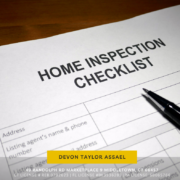

Buying Houses in Connecticut is one of the biggest investments you’ll ever make, so hiring the right home inspector is critical. A great inspector helps you understand the property’s condition, while the wrong one could leave you with expensive surprises after closing.

The first warning sign is a rushed inspection. A thorough inspection takes time. If the inspector is in and out quickly, important issues may be overlooked.

Second, they don’t encourage questions. A good inspector explains their findings in plain language and wants you to understand what they’re seeing.

Third, the inspection report lacks detail. A quality report should include photos, clear explanations, and recommendations, not just a checklist of items.

Fourth, they overlook obvious concerns. While no inspection is perfect, visible leaks, damaged roofing, electrical hazards, or structural issues shouldn’t be missed.

Finally, they disappear after the inspection. A reputable inspector is available to answer questions after you’ve reviewed the report and can explain what findings are routine maintenance versus serious concerns.

Remember, the goal of a home inspection isn’t to find a perfect home. It’s to understand the property’s condition so you can make an informed decision.

As a real estate professional helping buyers purchase Houses in Connecticut, I work with trusted inspectors who provide thorough evaluations and honest guidance. Choosing the right inspector can protect your investment and give you confidence before closing.


When buying Houses in Connecticut, one of the biggest mistakes you can make is treating the home inspection as a pass-or-fail test. Many buyers receive a lengthy inspection report and immediately panic, believing every issue is a reason to walk away. In reality, almost every home has defects, even brand-new construction.

The purpose of a home inspection is to help you understand the property’s condition, not to find a perfect home. Focus on the issues that truly matter, such as structural concerns, roof problems, electrical hazards, plumbing leaks, foundation issues, or major mechanical systems nearing the end of their lifespan. Cosmetic items like chipped paint, loose doorknobs, or worn caulking are common and usually inexpensive to fix.

Another common mistake is skipping the inspection entirely to make your offer more competitive. While this strategy may work in certain situations, it also increases the risk of discovering costly problems after closing.

Take the time to attend the inspection if possible. Walking through the home with the inspector allows you to ask questions, better understand the findings, and learn how to maintain the property.

As a real estate professional helping buyers purchase Houses in Connecticut, I help clients interpret inspection reports, prioritize repair concerns, and negotiate wisely. A home inspection shouldn’t scare you away. It should give you the knowledge and confidence to make the right decision.

Buying one of the many Houses in Connecticut is an exciting milestone, but choosing the right home inspector is just as important as choosing the right home. A thorough inspection can uncover issues that may affect your decision or help you negotiate repairs before closing. Unfortunately, not all inspectors provide the same level of service.

Here are seven signs you may have hired the wrong home inspector.

1. The Inspection Feels Rushed

A quality inspection takes time. If your inspector finishes unusually quickly without thoroughly examining the home, they may be missing important issues. Larger or older homes often require several hours for a complete inspection.

2. They Discourage Questions

A good inspector welcomes your questions and explains their findings in plain language. If they seem annoyed or unwilling to discuss concerns, that’s a red flag.

3. The Report Is Too Short

A professional inspection report should include detailed explanations, photos, and recommendations. A report with only a few pages or vague comments may not provide the information you need to make an informed decision.

4. They Miss Obvious Problems

No inspection is perfect, but obvious issues like active leaks, damaged roofing, unsafe electrical conditions, or major structural concerns shouldn’t be overlooked. Experience and attention to detail matter.

5. They Don’t Explain Severity

Not every issue is a deal-breaker. A quality inspector helps you understand the difference between routine maintenance, recommended repairs, and major safety concerns so you can prioritize what matters.

6. They Lack Local Knowledge

Inspectors familiar with Houses in Connecticut understand common regional issues, including radon, septic systems, private wells, moisture concerns, older heating systems, and seasonal weather impacts. Local experience provides valuable context.

7. They Don’t Encourage Follow-Up

A great inspector remains available after the inspection if questions arise while reviewing the report. If communication ends the moment the inspection is over, you may not be receiving the level of service you deserve.

The Bottom Line

A home inspection isn’t about finding a perfect house. It’s about understanding the condition of the property before making one of the largest financial decisions of your life.

As a real estate professional helping buyers purchase Houses in Connecticut, I work with trusted inspectors who are thorough, experienced, and committed to educating buyers throughout the process. The right inspection provides confidence, protects your investment, and helps you make informed decisions before closing.

When searching for Houses in Connecticut, many buyers spend months saving for a down payment. While that’s an important milestone, it’s only one part of the total cost of buying a home. Understanding the additional expenses involved can help you avoid surprises and feel more confident throughout the process.

One of the biggest costs beyond the down payment is closing costs. These typically range from 2% to 5% of the home’s purchase price and may include lender fees, attorney fees, appraisal costs, title insurance, recording fees, prepaid property taxes, homeowners insurance, and escrow funding.

Home inspections are another important expense. A general home inspection is highly recommended, and depending on the property, you may also need radon testing, septic inspections, well water testing, or pest inspections. These costs are small compared to the value of knowing the home’s condition before closing.

Moving expenses are easy to overlook as well. Whether you’re hiring movers, renting a truck, or purchasing packing supplies, these costs can add up quickly. After you move in, you may also want to budget for fresh paint, new locks, window treatments, furniture, or appliances.

Don’t forget about ongoing homeownership expenses. Property taxes, homeowners insurance, utility bills, lawn care, HOA fees, and routine maintenance all become part of your monthly budget. It’s also wise to keep an emergency fund for unexpected repairs, such as replacing a water heater or servicing your HVAC system.

The good news is that many of these costs can be planned for in advance. Some buyers may even qualify for down payment assistance programs or negotiate seller credits to help reduce their upfront expenses.

As a real estate professional helping clients purchase Houses in Connecticut, I make sure buyers understand the full financial picture before making an offer. Buying a home is one of the biggest investments you’ll ever make, and proper budgeting helps ensure you can enjoy homeownership with confidence instead of financial stress.

When people start shopping for Houses in Connecticut, they usually focus on two big numbers: the purchase price and the down payment. While those are important, they’re only part of the financial picture. One of the biggest surprises for many buyers is discovering the additional costs that come with buying and owning a home.

Closing costs are often the first unexpected expense. Depending on your loan and purchase price, these costs can range from 2% to 5% of the home’s price. They may include lender fees, attorney fees, appraisal costs, title insurance, recording fees, prepaid taxes, and homeowners insurance.

Another expense many buyers underestimate is the cost of inspections. A general home inspection is just the beginning. Depending on the property, you may also need radon testing, septic inspections, well water testing, or other specialized inspections. While these costs help protect your investment, they should be part of your overall budget.

The surprises don’t stop after closing. Moving expenses, utility deposits, new furniture, appliances, paint, lawn equipment, and simple home improvements can quickly add up during the first few months of ownership.

Many first-time buyers also forget about ongoing maintenance. Every home requires upkeep, whether it’s servicing the HVAC system, replacing a water heater, repairing a roof, or handling unexpected plumbing issues. Setting aside an emergency fund can help you avoid financial stress when these repairs arise.

Monthly expenses deserve just as much attention. Property taxes, homeowners insurance, HOA fees, and utility costs all affect the true cost of homeownership. A home that fits your budget on paper may feel very different once these expenses are included.

The good news is that none of these costs have to catch you off guard. With proper planning and guidance, you can prepare for them before you ever make an offer.

As a real estate professional helping buyers find Houses in Connecticut, I make sure my clients understand the full financial picture, not just the purchase price. Buying a home should be exciting, and knowing what to expect helps you enjoy every step of the journey with confidence.

Many homebuyers spend months preparing for their down payment, only to discover there are several other costs due on closing day. Understanding these expenses ahead of time can help you avoid surprises and make your purchase much less stressful. If you’re buying a home in Connecticut Real Estate, knowing what to expect is an important part of the process.

The first expense is your down payment, but it’s only part of the total amount you’ll need to bring to closing. You’ll also pay closing costs, which generally range from 2% to 5% of the purchase price, depending on your loan program and transaction details.

Closing costs often include lender fees, appraisal fees, attorney fees, title search and title insurance, recording fees, prepaid property taxes, homeowners insurance premiums, and the initial funding of your escrow account. These are all necessary expenses to finalize your mortgage and transfer ownership of the property.

You may also pay for inspections completed before closing, such as a general home inspection, radon test, septic inspection, or well water test. While these costs are typically paid earlier in the transaction, they should still be included in your overall homebuying budget.

The good news is that not every buyer pays every fee out of pocket. Depending on market conditions, you may be able to negotiate seller credits to help cover a portion of your closing costs. Certain loan programs and first-time buyer assistance programs may also reduce the amount of cash you need at closing.

Before closing day, your lender will provide a Closing Disclosure that outlines every expense in detail, including the exact amount you’ll need to bring to the closing table. Reviewing this document carefully helps ensure there are no last-minute surprises.

As a professional specializing in Connecticut Real Estate, I help buyers understand every cost involved long before closing day. When you know exactly what you’ll pay and why, you can move into your new home with confidence instead of uncertainty.

Most homebuyers spend months saving for a down payment, comparing mortgage rates, and shopping for the perfect home. But there’s one expense that often catches buyers by surprise: the costs that come after closing.

In Connecticut Real Estate, many buyers assume that once they receive the keys, the biggest financial hurdle is behind them. In reality, the first few months of homeownership can bring a variety of expenses that aren’t always part of the initial budget.

One of the biggest surprises is moving costs. Whether you’re hiring professional movers, renting a truck, purchasing packing supplies, or paying utility connection fees, moving expenses can add up quickly.

Then come the immediate home improvements. Even if the home is move-in ready, most buyers want to paint, replace light fixtures, install window treatments, buy appliances, or make small upgrades to personalize the space. Individually these purchases may seem manageable, but together they can total several thousand dollars.

Unexpected repairs are another common expense. A water heater may fail, an aging appliance could stop working, or a furnace may need servicing. These issues aren’t necessarily signs that you bought the wrong home. They’re simply part of homeownership, which is why maintaining an emergency reserve fund is so important.

Many buyers also underestimate recurring costs like property taxes, homeowners insurance, HOA fees, lawn care, and seasonal maintenance. These expenses become part of your monthly budget long after closing day.

The key is preparing for more than just the purchase itself. Buying a home isn’t simply about qualifying for a mortgage. It’s about making sure your budget supports homeownership after you move in.

As a professional specializing in Connecticut Real Estate, I help buyers understand not only the costs of purchasing a home but also the expenses that come with owning one. Planning ahead helps you enjoy your new home with confidence instead of financial stress.

When preparing to buy a home, most buyers focus almost entirely on saving for the down payment. While the down payment is a major expense, it’s far from the only cost you’ll encounter during the home-buying process. Understanding the full financial picture can help you avoid surprises and feel more confident throughout your journey in Connecticut Real Estate.

Closing Costs

One of the biggest expenses buyers overlook is closing costs. These typically include lender fees, attorney fees, appraisal costs, title insurance, recording fees, prepaid taxes, and homeowners insurance. Depending on the loan program and purchase price, closing costs often range from 2% to 5% of the home’s purchase price.

Home Inspection Costs

A home inspection is one of the smartest investments a buyer can make. General home inspections, radon testing, septic inspections, well water testing, and other specialty inspections can add up, but they provide valuable information before you finalize the purchase.

Moving Expenses

Whether you’re hiring professional movers or renting a truck, moving costs should be part of your budget. Packing supplies, storage units, utility transfers, and unexpected moving-related expenses can add up quickly.

Initial Home Improvements

Even if the home is move-in ready, most buyers make at least a few changes after closing. New paint, flooring updates, appliances, window treatments, landscaping, or simple personalization projects often cost more than expected.

Emergency Reserve Fund

One of the most overlooked expenses is the unexpected repair. Water heaters fail, HVAC systems break down, and roofs eventually need attention. Having a reserve fund after closing can help protect you from financial stress when surprises arise.

Property Taxes and Insurance

Many buyers focus on the mortgage payment and forget about property taxes and homeowners insurance. These expenses can significantly impact your monthly housing costs and should be considered when determining affordability.

HOA Fees

If you’re purchasing a condominium or property within a homeowners association, monthly HOA fees should be factored into your budget. These fees vary widely and can affect your overall monthly payment.

The Bottom Line

The smartest buyers prepare for more than just the down payment. Understanding the full cost of homeownership allows you to buy with confidence and avoid unexpected financial pressure after closing.

As a professional specializing in Connecticut Real Estate, I help buyers understand all of the costs associated with purchasing a home so they can make informed decisions and create a realistic budget. Buying a home is exciting, but preparation is what makes it successful.

When buying or selling a home, most people focus on the purchase price. But one of the most important parts of any transaction is understanding closing costs. These are the expenses associated with finalizing the sale, and they can add up quickly if you’re not prepared.

In Connecticut Real Estate, closing costs are typically shared between the buyer and seller, although the specific expenses each party pays can vary depending on the terms of the contract.

What Are Closing Costs?

Closing costs are the fees and expenses paid at the closing table to complete the transfer of ownership. They are separate from the down payment and can include lender fees, attorney fees, taxes, insurance, title charges, and various administrative costs.

Common Buyer Closing Costs

Buyers generally pay the majority of loan-related expenses. These may include:

  • Loan origination fees
  • Appraisal fees
  • Credit report fees
  • Homeowners insurance premiums
  • Attorney fees
  • Title search and title insurance
  • Recording fees
  • Prepaid property taxes
  • Escrow account funding

In many cases, buyers can expect closing costs to range between 2% and 5% of the purchase price, depending on the loan program and transaction details.

Common Seller Closing Costs

Sellers also have expenses to pay at closing. These often include:

  • Real estate commission
  • Attorney fees
  • Conveyance taxes
  • Mortgage payoff balances
  • Property tax adjustments
  • Recording and administrative fees

In Connecticut, sellers are responsible for paying the state conveyance tax, which is based on the sale price of the property and can represent a significant closing expense.

Can Closing Costs Be Negotiated?

Absolutely. Closing costs are often part of the negotiation process. Buyers may request seller credits to help offset their expenses, while sellers may agree to contribute toward certain costs to help a transaction move forward.

In slower markets, seller concessions are more common. In highly competitive markets, buyers may be expected to cover more of their own expenses.

How Much Should You Budget?

One of the biggest mistakes buyers make is focusing solely on the down payment while overlooking closing costs. It’s important to work closely with your lender and real estate professional to understand your estimated cash-to-close amount early in the process.

Sellers should also review estimated net proceeds before listing so there are no surprises at closing.

The Bottom Line

Closing costs are a normal part of every real estate transaction, but they shouldn’t catch you off guard. Understanding who pays what and planning ahead can make the process much smoother.

As a professional specializing in Connecticut Real Estate, I help buyers and sellers understand every cost associated with a transaction before they reach the closing table. The more prepared you are, the more confident you’ll feel throughout the entire process.